Rental Property Maintenance: Who Pays for What in 2026

Most tenancy disputes are not about rent. They are about a dripping tap, a boiler that failed on a Friday night, or a mark on a wall that one side calls damage and the other calls normal life. Knowing who pays before the argument starts is the cheapest form of landlord insurance.
The legal baseline
Landlords must keep the property safe, structurally sound and fit for human habitation. That includes the roof, external walls, drains, heating, hot water, gas safety, electrical safety and any furniture or appliance supplied as part of the let. Smoke and carbon monoxide alarms must work at the start of every tenancy.
Tenants are responsible for using the property reasonably: cleaning, ventilating to prevent condensation mould, replacing light bulbs and fuses, keeping gardens tidy where the tenancy says so, and reporting defects promptly. They are not responsible for wear and tear that comes from ordinary living.
Where the line actually falls
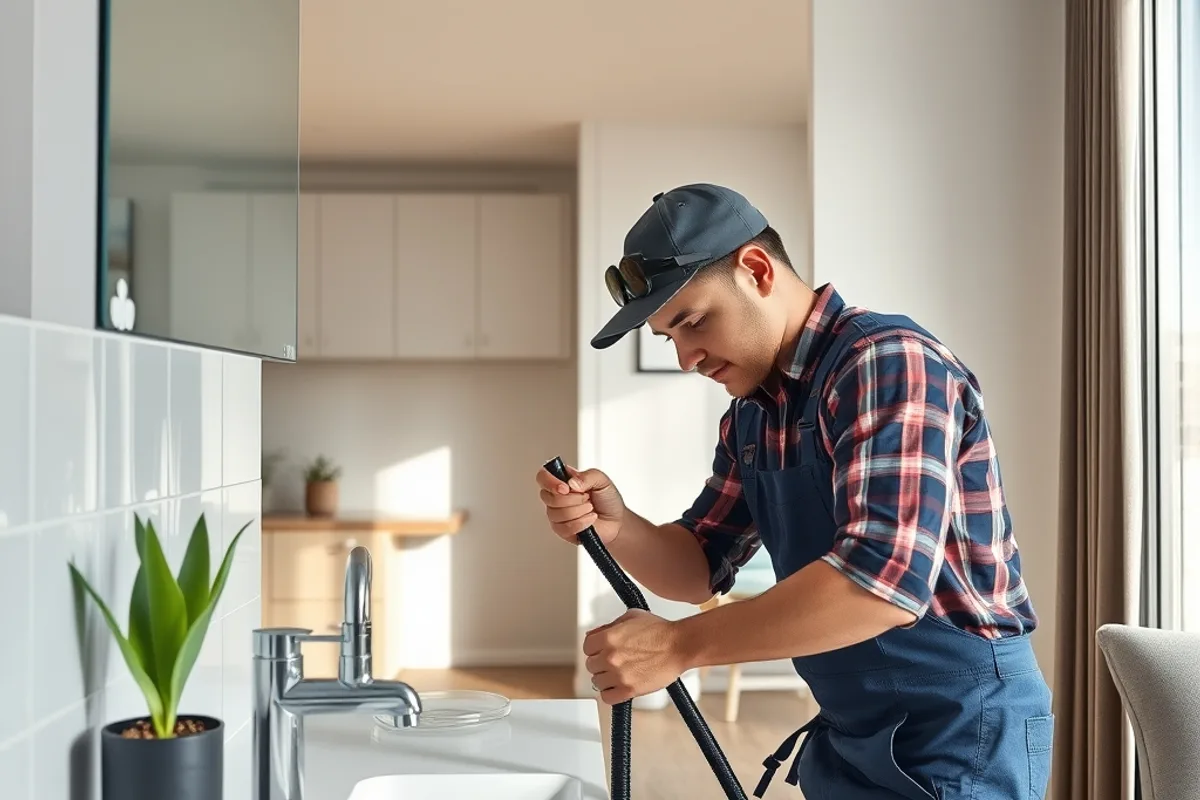
A worn carpet in a hallway after eight years is wear and tear. A cigarette burn in the same carpet is damage. A washing machine that stops working is the landlord's problem if it was supplied; a washing machine broken by an overloaded drum may be recoverable from the deposit, with evidence.
The test is cause, age and expectation. A twelve-year-old boiler that fails has lived its life and is the landlord's replacement. A one-year-old boiler damaged by a tenant who removed a valve is a different conversation, usually settled with the deposit scheme rather than a courtroom.
Common flashpoints
Damp and mould: if it comes from a defect, the landlord repairs it. If it comes from a tenant drying clothes indoors with windows shut, the tenant must change behaviour, but the landlord still has a duty to provide adequate ventilation and address any underlying cold bridging.
Appliances: list every supplied item in the inventory, with model and condition. Anything not listed becomes a dispute later. Pests: an infestation present at move-in is the landlord's; one introduced by the tenant is theirs.
Response times that keep tenancies calm
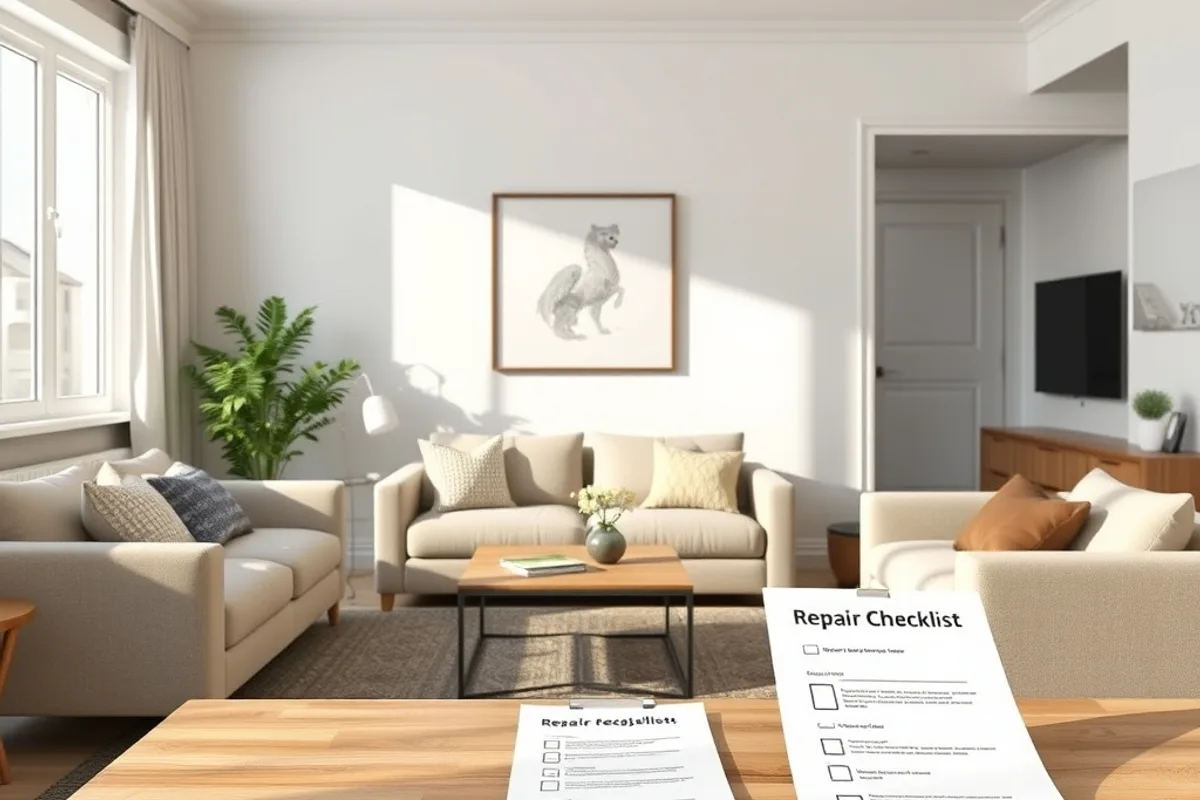
A burst pipe, total loss of heating in winter, a gas leak or a broken lock are emergencies. Aim to respond within four hours and repair or make safe within twenty-four. A failed appliance or a slow drain is urgent but not dangerous: two to five working days is reasonable.
Cosmetic issues can wait for the next void period. Tell the tenant the plan and the date, in writing. Most complaints are not about the delay itself but about silence.
Budgeting for maintenance
Set aside 1 to 1.5 percent of the property value each year, and keep a separate reserve for big-ticket items. A roof, boiler or bathroom does not fail gradually with a warning letter; it fails on a schedule you can roughly predict from age.
A simple sinking fund works better than reacting. For a $250,000 flat, $2,500 to $3,750 a year covers routine repairs, safety certificates and the occasional replacement without touching rental income.
Records that protect you
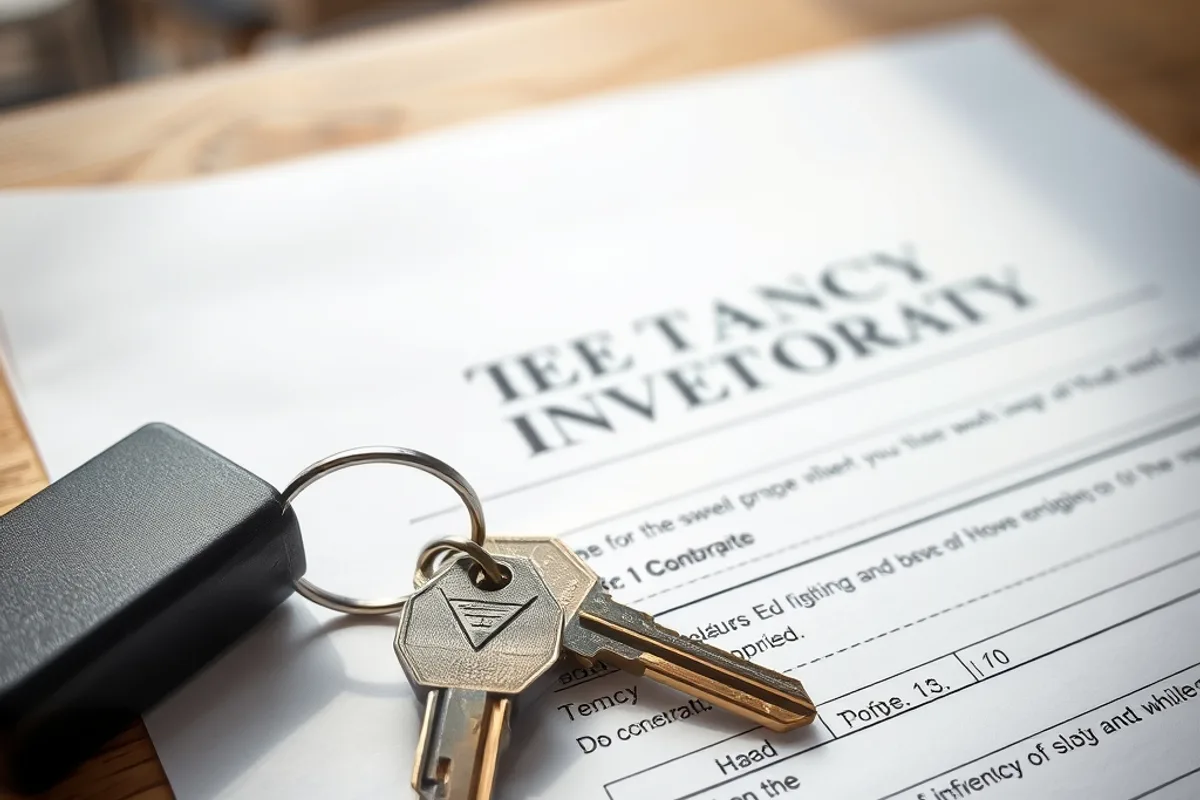
Keep a dated inventory with photographs, gas and electrical certificates, receipts for every repair, and a log of reported issues and responses. Use written messages rather than phone calls for anything that might become a dispute.
At check-out, compare condition against the inventory rather than against perfection. Deposit deductions must be reasonable, evidenced and proportionate to the age and expected life of the item. A ten-year-old carpet is not replaced at new-for-old cost.
"A well-maintained rental is not generosity. It is the cheapest way to keep a good tenant and protect the asset."
When to call a professional
Gas work, electrical work above replacing a fitting, structural repairs and anything involving asbestos require a qualified trade. DIY Landlord repairs are a false economy when they invalidate insurance or create a safety risk.
Use a written scope and a fixed price where possible. For recurring issues, a maintenance contract with a local firm is often cheaper than emergency call-out rates. If you are setting the rent for the coming year, read our rental pricing guide next.
The bottom line
Landlords pay for structure, safety and supplied appliances. Tenants pay for cleaning, minor consumables and damage they cause. Write it down, inspect regularly, respond fast and budget annually. Most disputes are avoided before they begin, with a checklist and a reply.