7 Renovations That Raise Home Value, and 4 That Rarely Do
Homeowners spend enormous sums on improvements that feel valuable and discover at sale that the market disagrees. The reason is simple: value comes from what buyers compete for, not from what you enjoy. These rankings come from valuation practice and sold-price evidence, not from contractor marketing.
1. A functional kitchen
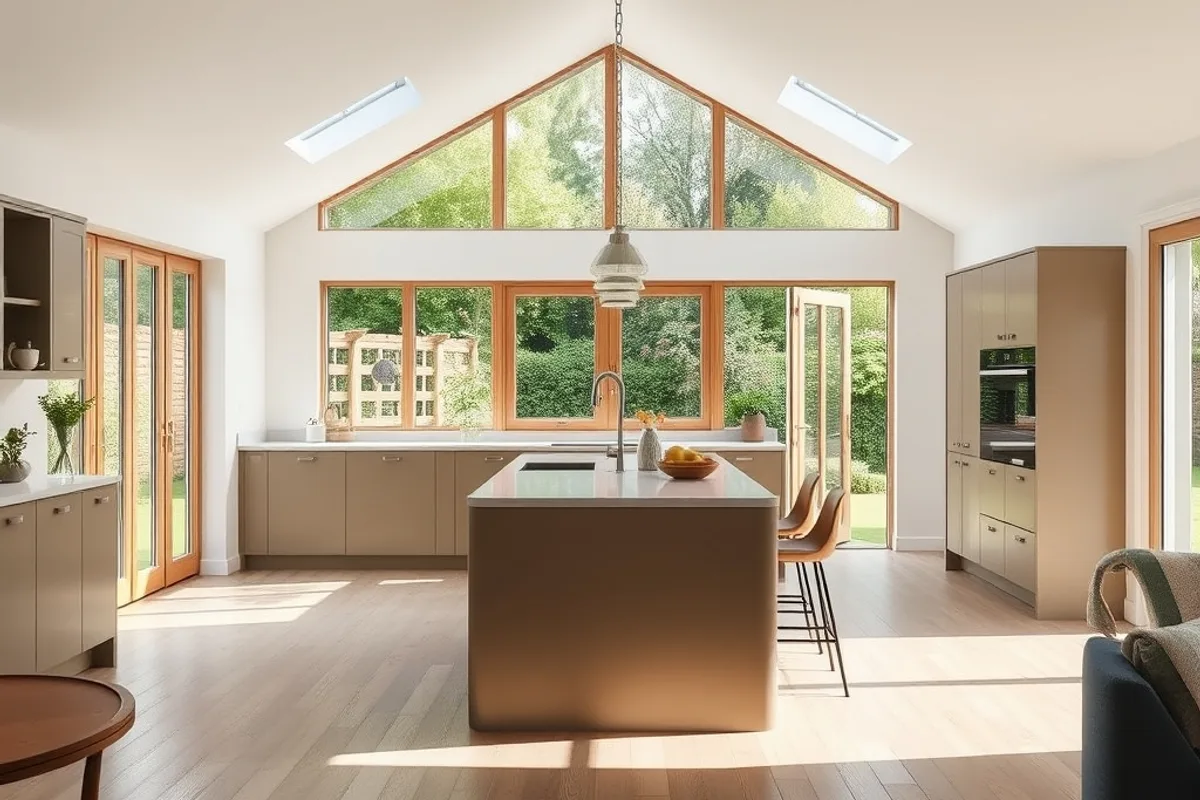
The kitchen remains the single strongest driver of buyer interest. Not the most expensive kitchen, but a functional one: workable layout, adequate storage, decent appliances and a connection to the dining or garden space. A $15,000 kitchen in the right layout can add more than a $40,000 showpiece crammed into the wrong one.
2. A second bathroom or shower room
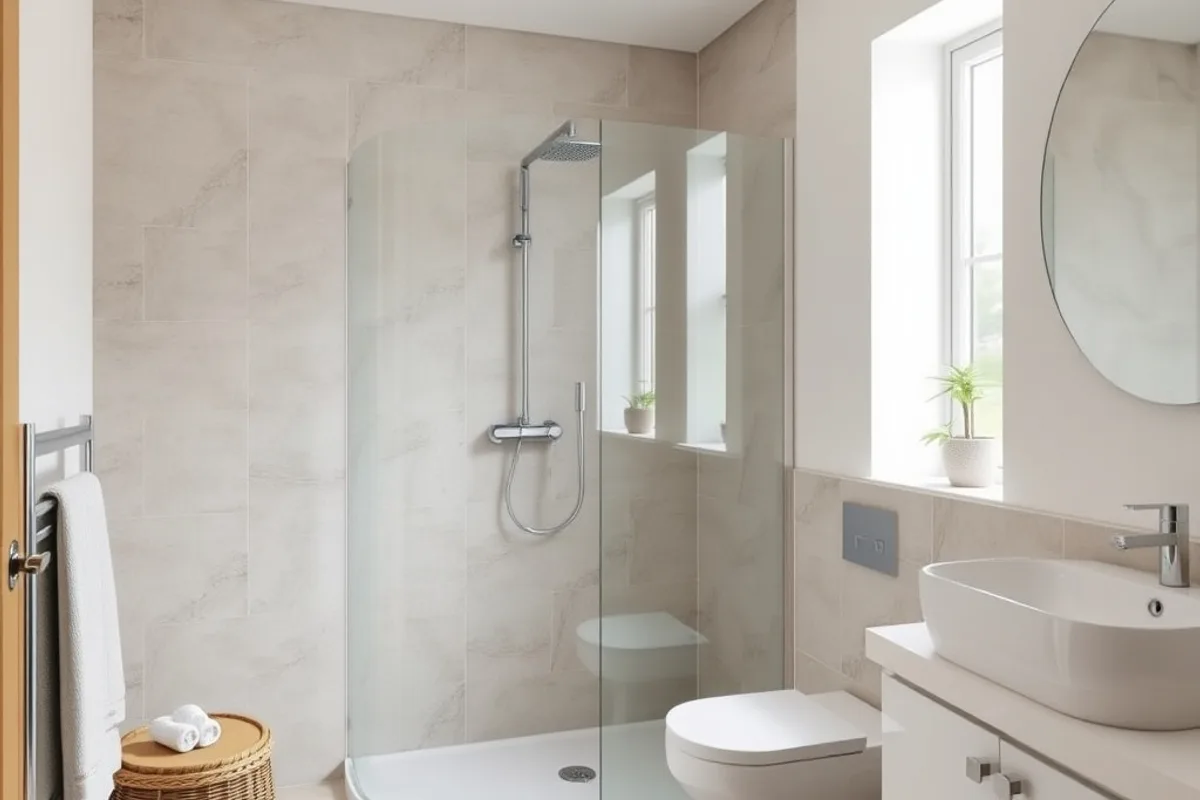
Adding a shower room downstairs or converting a large bedroom into an en-suite changes how a family uses the house. In homes with four bedrooms and one bathroom, this is often the highest-return structural change available.
3. Insulation and glazing
Energy performance now appears in listings and mortgage affordability calculations. Loft insulation, cavity wall insulation and modern double glazing rarely excite buyers at a viewing, but a poor energy rating puts a visible discount on the asking price. The payback is partly in bills and partly in saleability.
4. Off-street parking
Where parking is scarce, a dropped kerb and a legal driveway can add more than a new bathroom. Check local rules first: some councils refuse new crossovers, and a driveway that blocks sightlines will not be approved.
5. A usable loft or basement room
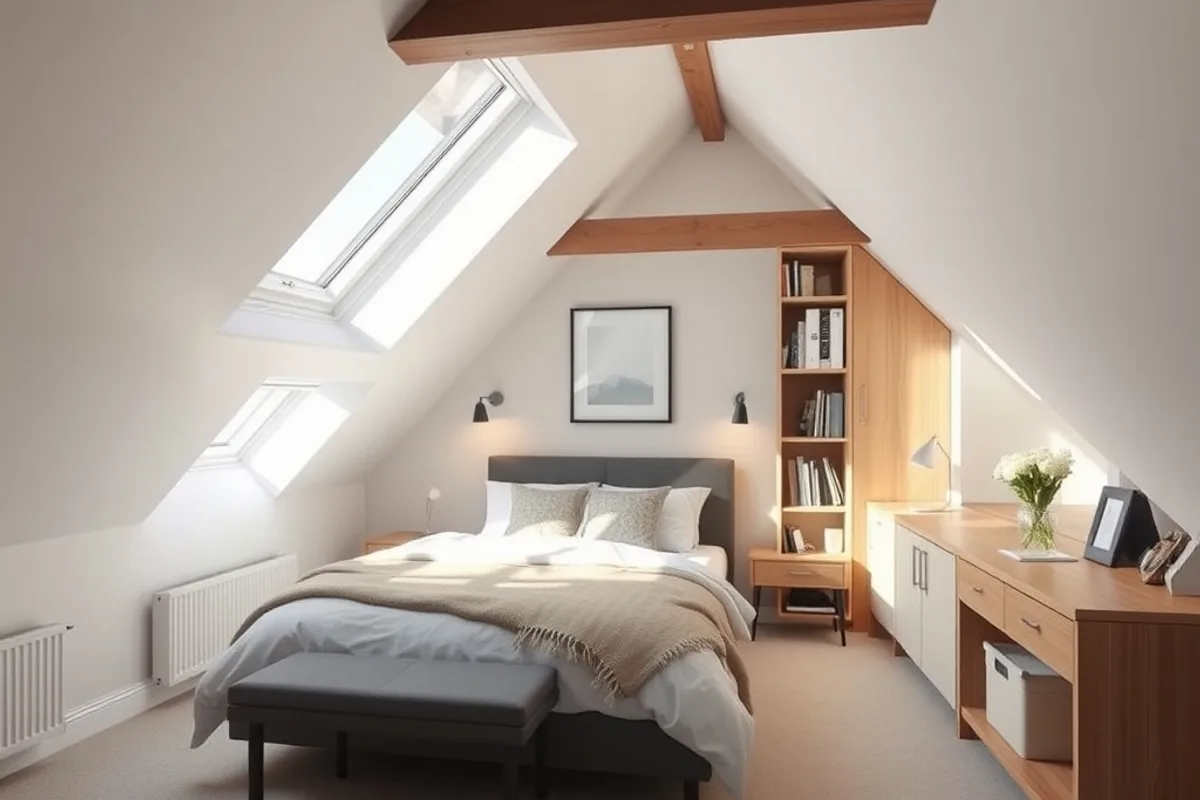
Converting existing volume is usually cheaper than extending. A loft bedroom with proper stairs and building regulations sign-off counts as habitable space; a boarded attic with a ladder does not. Basements add value only when damp-proofing and head height are done properly.
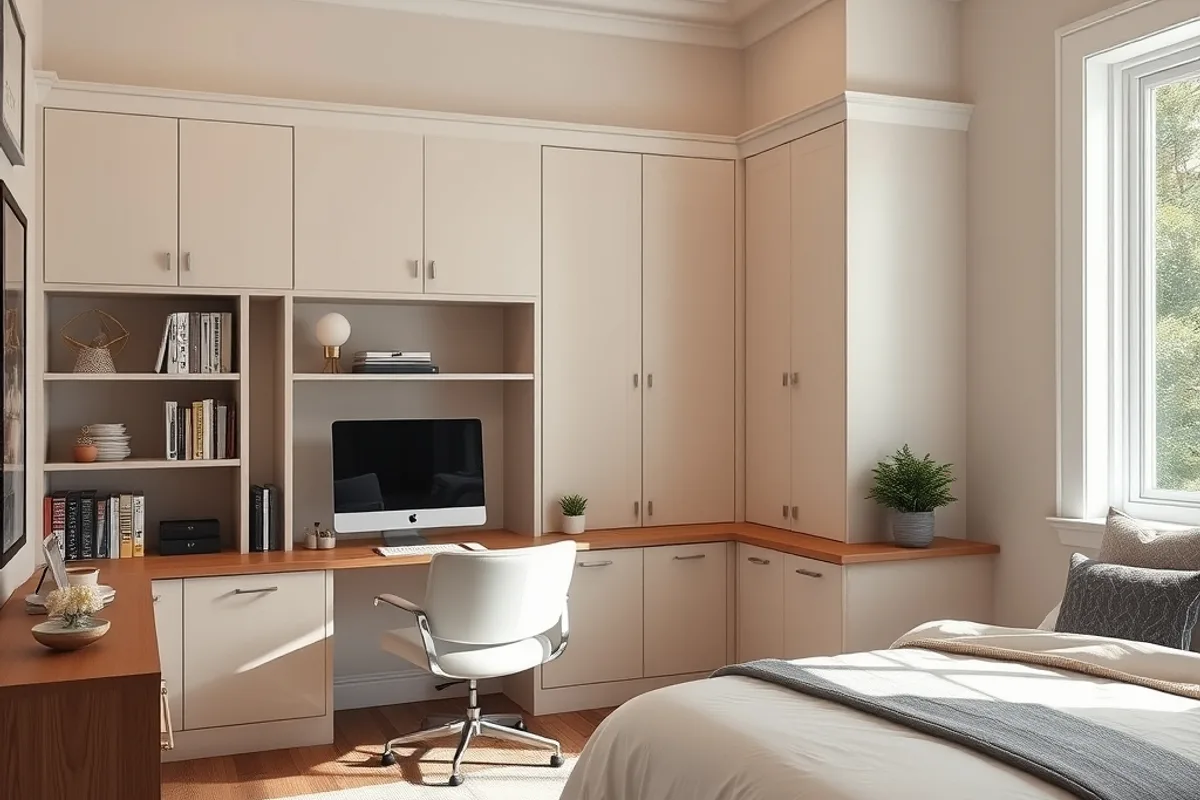
6. A dedicated home office
Remote work made the spare room valuable again. A garden office or a properly insulated room above a garage appeals to a specific buyer, and that buyer often pays a premium. The catch is that a glorified shed with power will not be valued as habitable space.
7. Kerb appeal and a sound front door
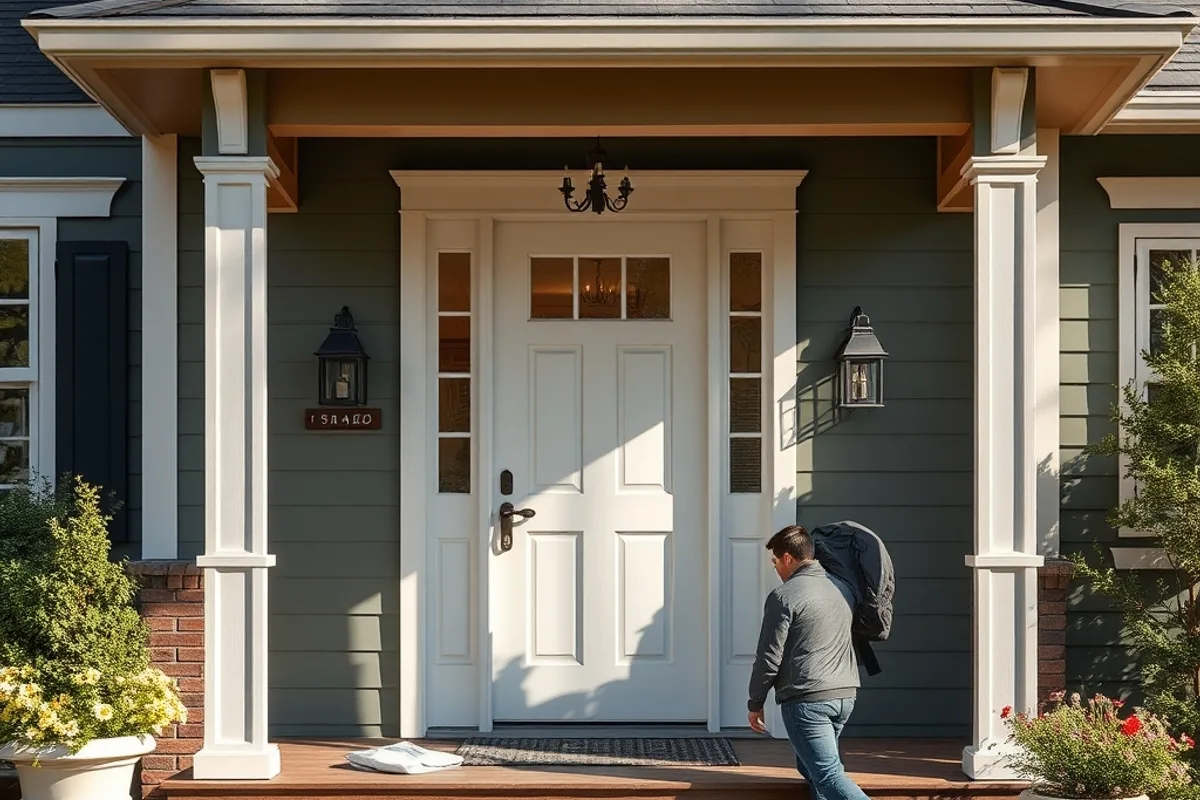
First impressions are priced. Repointing brickwork, repairing a sagging gutter, tidying the front garden and fitting a solid, well-insulated door all signal maintenance. Valuers call this “general condition” and it influences the number more than owners expect.
Four projects that rarely pay back
Swimming pools
High maintenance, high insurance and a safety concern for families with young children. In most markets a pool narrows the buyer pool rather than widening it.
Over-personalised conversions
A garage turned into a themed bar or a bedroom turned into a walk-in wardrobe solves your problem, not the next owner's. Convert to something universally useful or accept the discount.
Premium finishes in a modest house
Marble in a mid-terrace house does not double the value. Buyers compare your property with neighbours, and the ceiling price is set by the street. Spend to the ceiling, not beyond it.
Extensions that ignore the plan
A rear extension that leaves the kitchen dark, or a bedroom added without a bathroom to serve it, creates a mismatch. The space exists but does not work, and buyers feel that immediately. Our extension versus loft comparison explains how to choose the right one.
"The market pays for problems solved, not money spent. A modest kitchen that works beats a grand one that does not."
How to judge a project before you start
Look at sold prices for comparable homes with and without the feature. If a three-bedroom with a second bathroom sells 6 percent higher than one without, and your project costs less than that gap, it is worth considering. If the gap is smaller than the cost, you are buying enjoyment, which is fine as long as you call it that.
Check the local ceiling price and the time you plan to stay. Over a ten-year horizon, energy improvements and layout fixes compound in value. Over two years, transaction costs will eat most of the gain.
The bottom line
Kitchens, bathrooms, insulation, parking and genuinely usable space are the reliable winners. Pools, highly personal conversions and luxury finishes in ordinary houses usually return less than they cost. Improve the house buyers are already looking for, and the valuation will follow.