Flat Roof vs Pitched Roof: A Practical Comparison
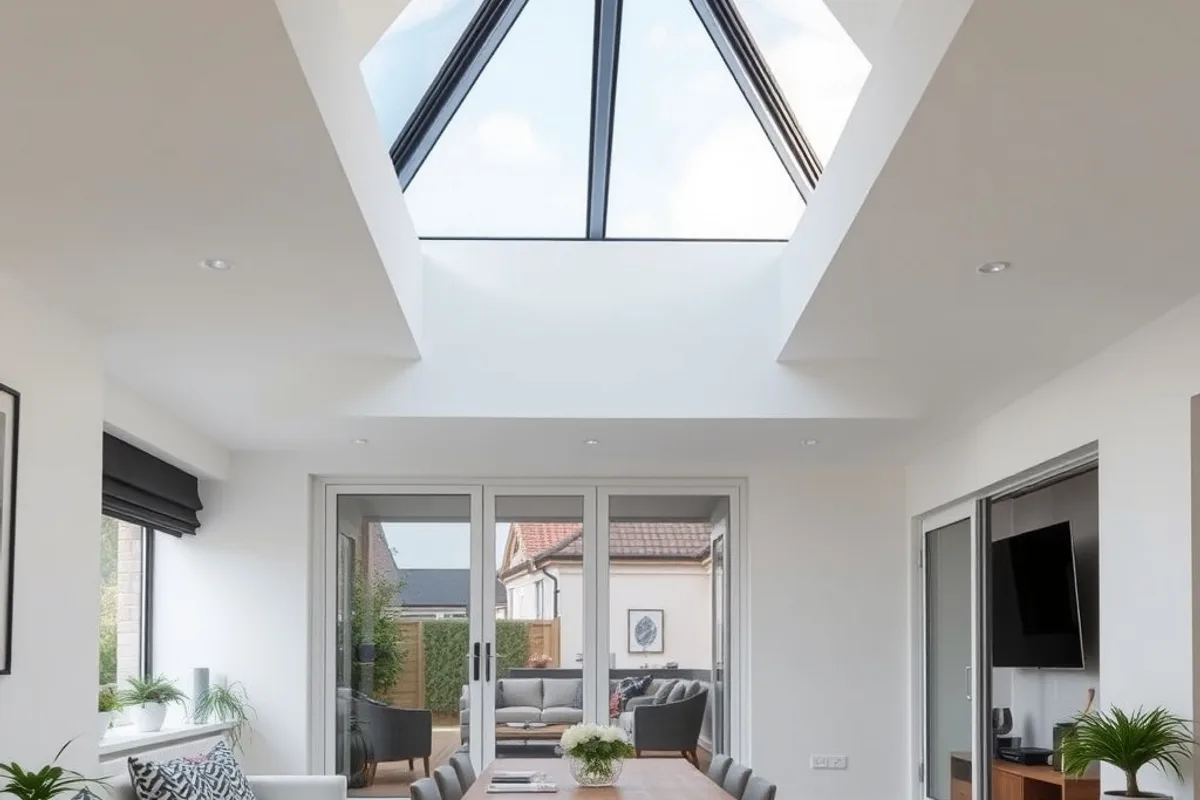
The choice between a flat and pitched roof is usually made for you by the building you already have. Extensions, dormers and garden rooms often suit flat roofs; traditional houses look wrong without a pitch. But the decision has real consequences for cost, drainage and how much maintenance you will do in twenty years.
How each roof sheds water
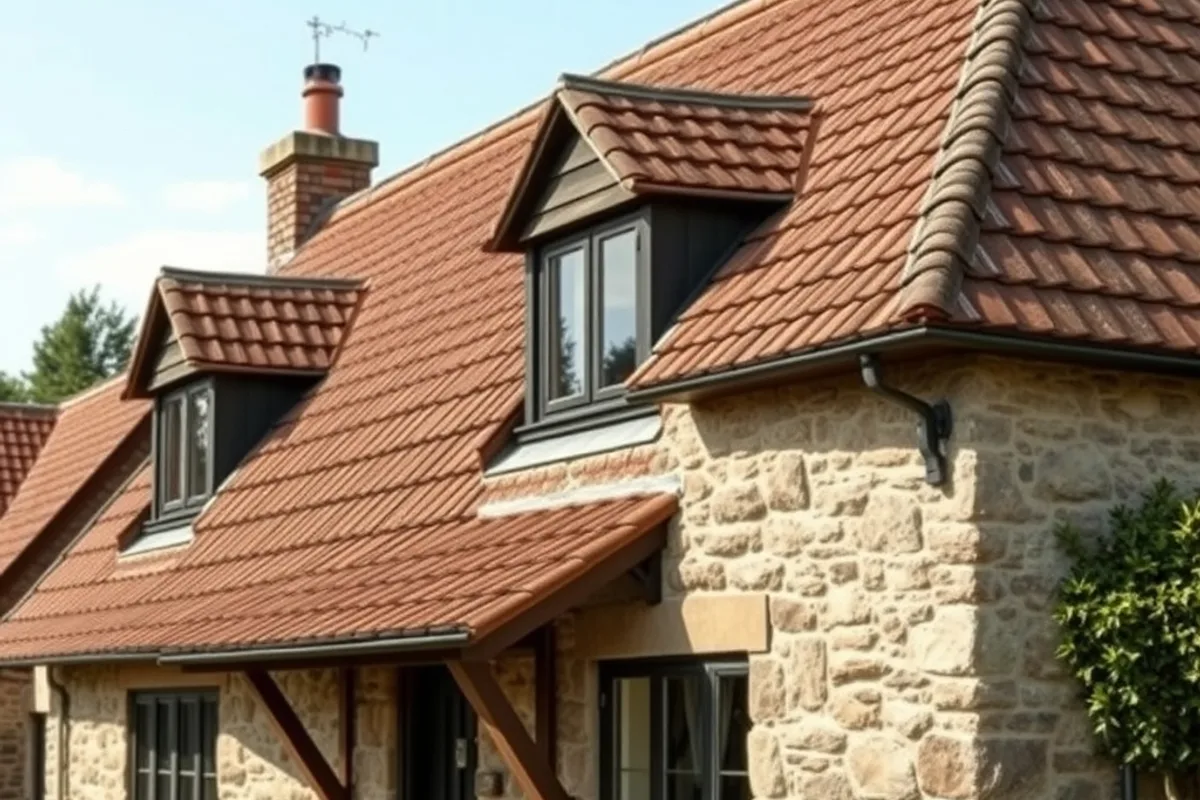
A pitched roof relies on gravity and overlapping materials. Water runs down the slope into gutters, and the covering is forgiving: if one tile lifts, the layers below still shed most of the water. This is why pitched roofs last so long with minimal attention.
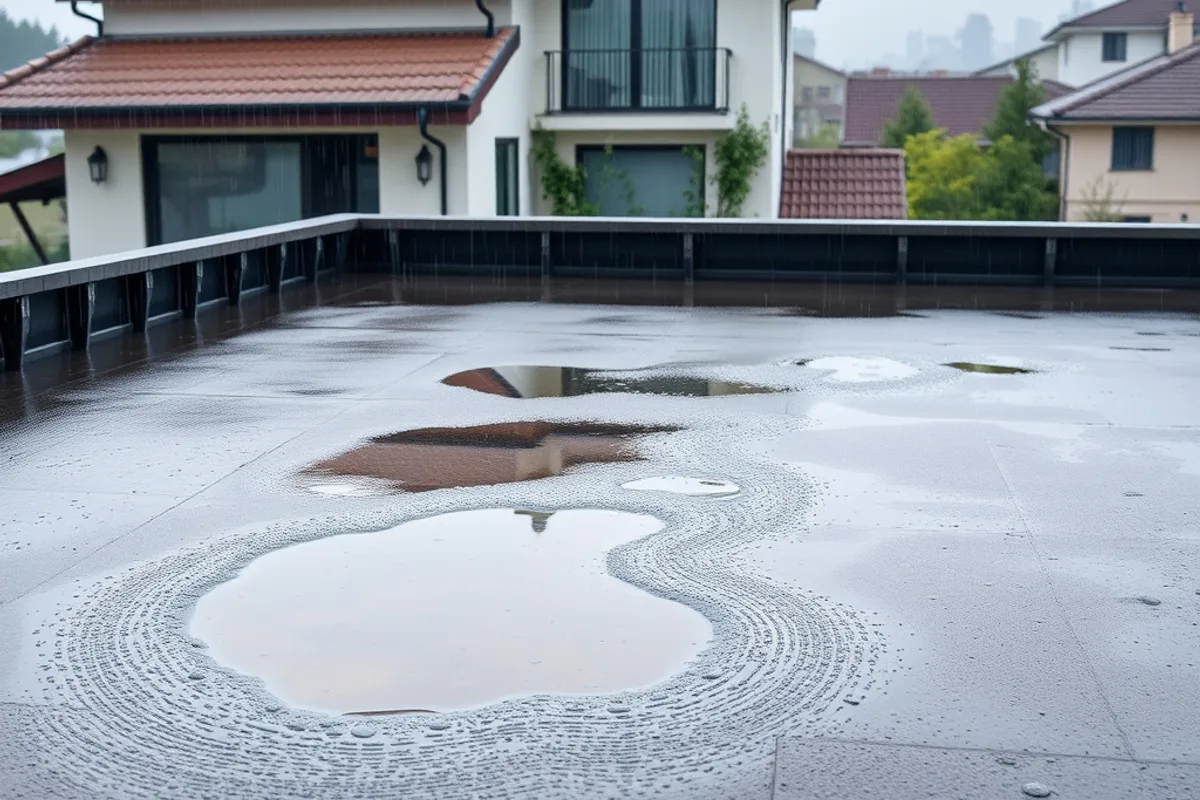
A flat roof relies on a continuous membrane and correct falls to drains. Water is supposed to leave quickly, but a small dip or a blocked outlet can leave it standing. Standing water finds every weakness in a seam, and that is how most flat roof failures begin.
Cost comparison
For a 50-square-metre extension, a flat roof with EPDM or fibreglass costs roughly $4,500 to $9,000 including insulation and drainage. A pitched roof in concrete tile costs $5,500 to $10,000, but adds height and structural complexity that may require planning consent.
The gap narrows when you include the life-cycle cost. A flat roof replaced twice over 50 years costs more than a pitched roof installed once. If you plan to stay long-term, the pitched option is often cheaper despite the higher initial invoice.
When a flat roof is the right answer
Flat roofs maximise internal volume within a height limit. They suit contemporary extensions, roof terraces, garden offices and garages. They are also faster to install and easier to access for maintenance or solar panels.
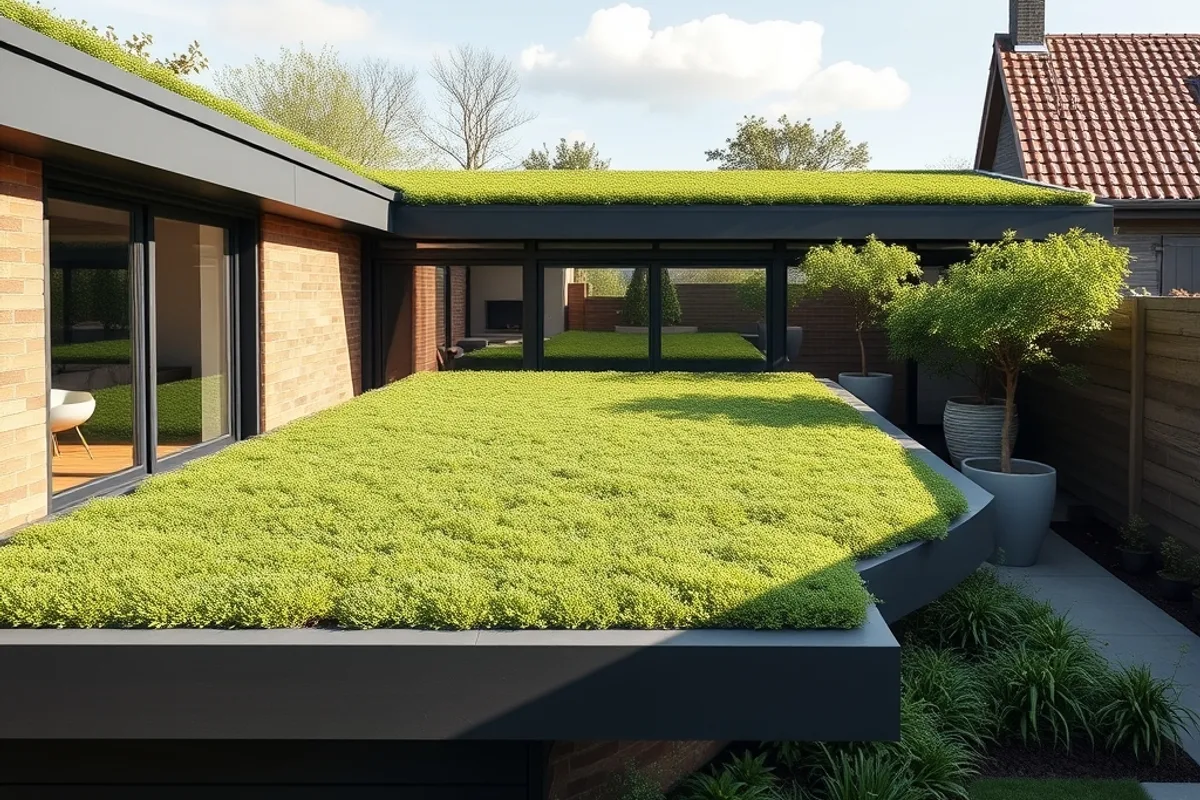
A flat roof can hold a green sedum layer, which improves insulation, manages rainwater and looks good from an upper window. It needs a structural assessment and a properly specified membrane underneath, but it is a genuine benefit rather than a gimmick.
When a pitched roof wins
Pitched roofs suit traditional architecture and older properties, where a flat roof would look out of place and may fail planning. They shed water reliably, accommodate thick insulation easily and last decades without intervention.
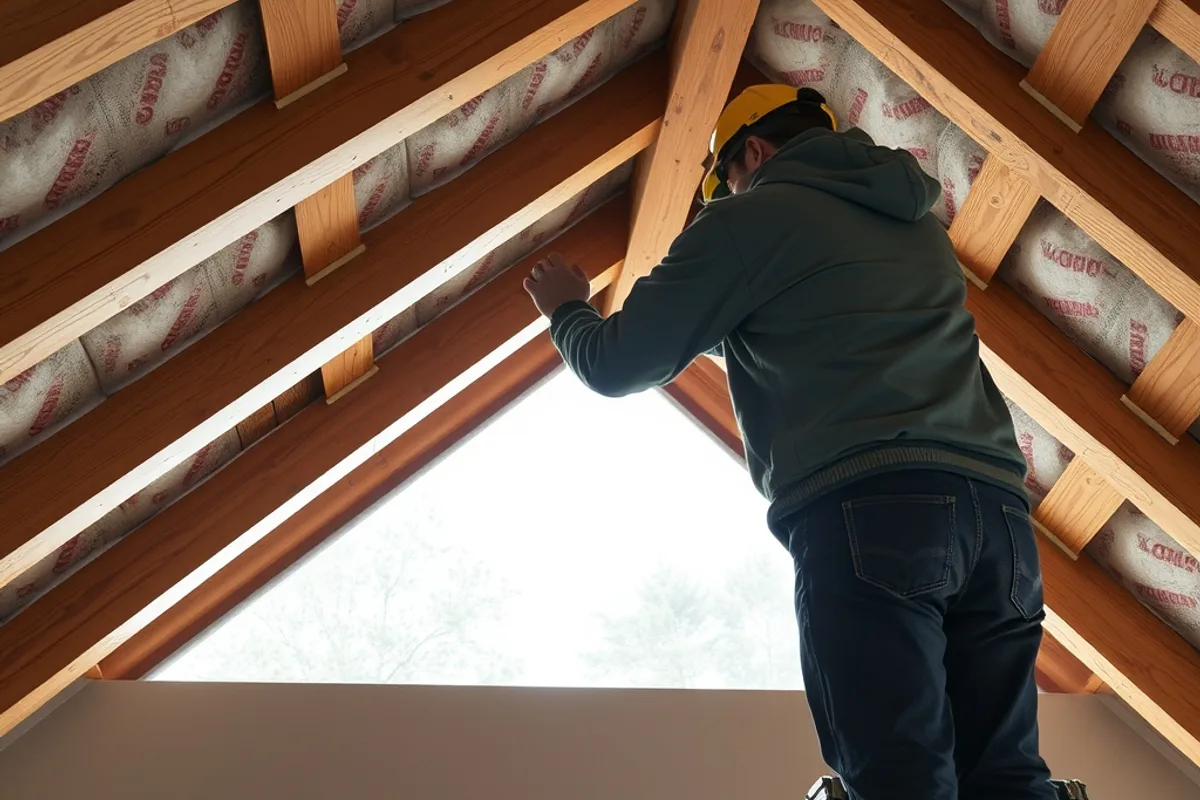
The loft space beneath a pitched roof can become storage or a habitable room, which is a real value advantage. A flat roof offers little usable volume unless you build a terrace. If you might convert the loft later, pitch matters. Our loft conversion comparison explains the trade-offs.
Drainage and detailing
Flat roofs need a fall of at least 1 in 80 to outlets, and preferably 1 in 40. Outlets must be clear of the parapet and large enough for heavy rain. On a flat roof, every penetration for a vent or skylight is a potential leak, so keep them to a minimum and detail them properly.
Pitched roofs need correctly sized gutters, enough downpipes and clear valleys. Chimney flashing and the junction with a wall are the usual weak points. Both roof types fail at the details, not in the middle of the field.
Maintenance reality
A flat roof should be inspected twice a year and after storms. Clear leaves from outlets, remove debris and check seams. Never walk on it in soft shoes or leave heavy objects on the membrane. Most problems are visible early if somebody actually looks.
A pitched roof needs gutters cleared and tiles checked after storms, but otherwise little. Moss should be removed if it lifts tiles, and broken tiles replaced promptly. Ridge and hip mortar may need repointing after 25 to 30 years.
"The cheapest roof is not the one with the lowest quote. It is the one you do not have to think about for thirty years."
Planning and appearance
Flat roofs on extensions are often permitted development, but height limits apply and a roof terrace may need planning permission. Pitched roofs must respect local ridge heights and materials, especially in conservation areas.
Appearance is not vanity. A roof that looks wrong for the street affects resale more than most owners realise. Check what neighbouring extensions used and ask a local agent which choice buyers expect.
The bottom line
Choose flat for volume, modern design and roof terraces, with a quality membrane and serious attention to drainage. Choose pitched for longevity, loft potential and traditional appearance. Whichever you pick, spend on the waterproofing and the details, because that is where the money is either saved or lost.